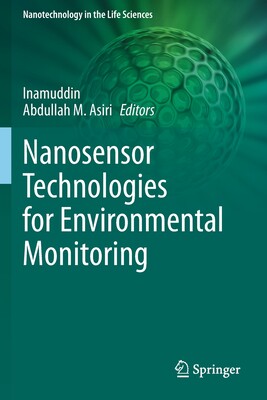
Предварительная наносорная технология для мониторинга окружающей среды

Вес товара: ~0.7 кг. Указан усредненный вес, который может отличаться от фактического. Не включен в цену, оплачивается при получении.
Описание товара


Основная информация
Номер книги: 9783030451189
Автор: Инамуддин
Версия:
Издательство: Springer
Дата публикации: 2021/07/16
Английский язык
Количество страниц: 529
Введение в контент
Усовершенствованные материалы и нанотехнология - это перспективное, новое поле, включающее использование наночастиц для объектов, обнаружение различных физических и химических параметров, включая температуру, влажность, pH, ион металла, анион, небольшие органические орлекулы, газы и биомолекулы, ответственные за окружающую среду, небольшие органические орлекулы, газы и биомолекулы Испытания, которые могут привести к таким показателям, как карнсер, диабет, остеоэатрит, бактериальные инфекции и заболевания головного мозга, сетчатки и сердечно -сосудистых заболеваний. Жизни.
Хотя эти датчики коммерчески доступны для обнаружения моновалентных катионов, анионов, газов, летучих органических молекул и токсичных ионов, многие существующие модели требуют значительной мощности и отсутствуют передовые технологии для большей качественной селективности и чувствительности. Обратимость, коэффициент включения/выключения, время отклика и их стабильность окружающей среды в реальных ионах.
This Book Explores the Methods for the Development and Design of Environmentally-Friendly, SIMPLE, and Cost Effective ElectroCheMical NANOSONSORS USING POWERFUL NANOSTRUDURED MIRERALIALS. More Specified, It Highlights The USE of Various ElectroChemical-Basensor Sensors Involved In the DETECT Ion of Monovalent Cations , Anions Калисты, летучие органические молекулы, ионы тяжелых металлов и ионы токсичных металлов, с конечной целью увидеть рынок технологий.
