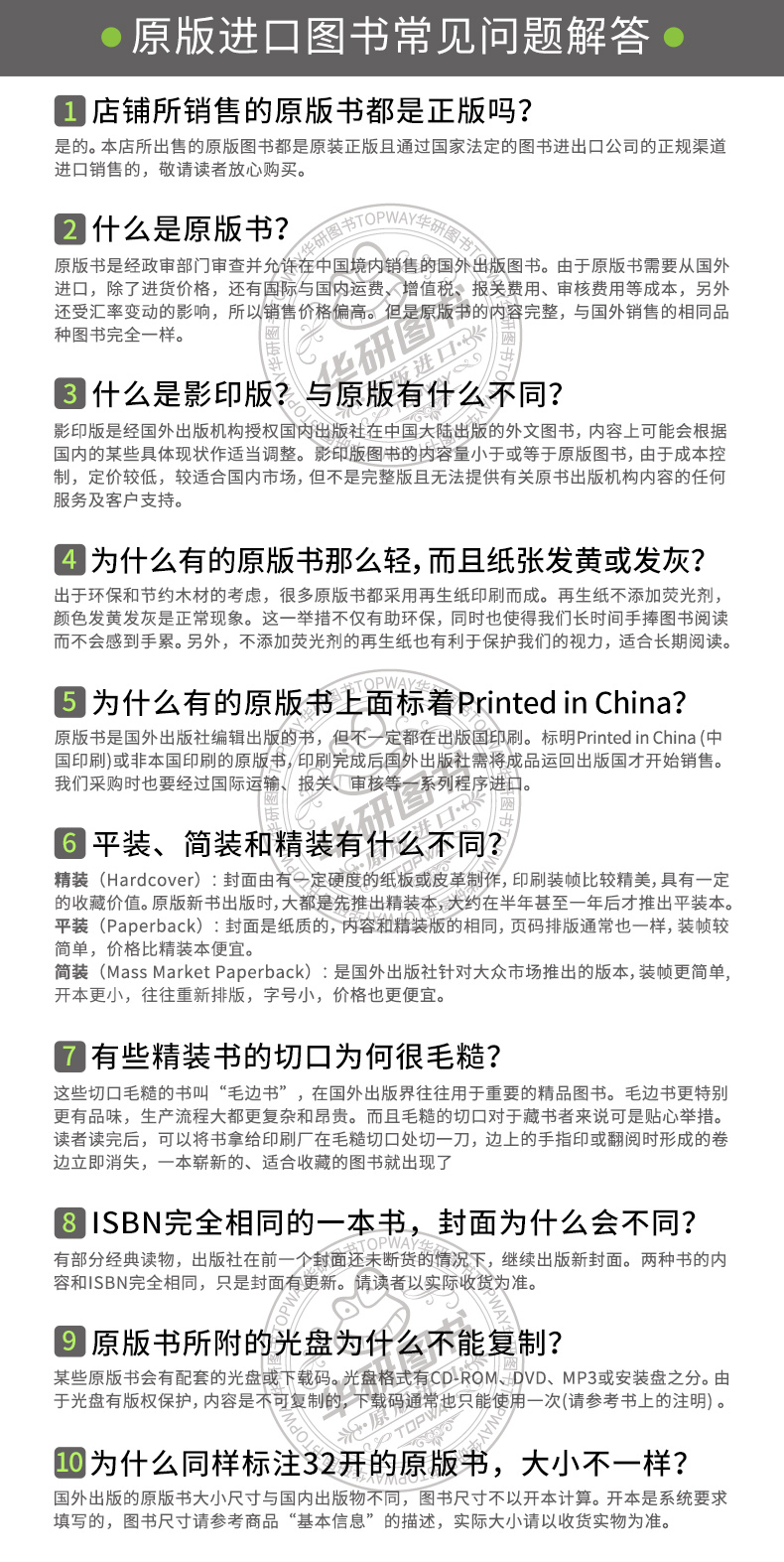
Подлинный AP Английский биологический учебный материал Университетский биологический английский биология коллии.

Вес товара: ~0.7 кг. Указан усредненный вес, который может отличаться от фактического. Не включен в цену, оплачивается при получении.
Описание товара





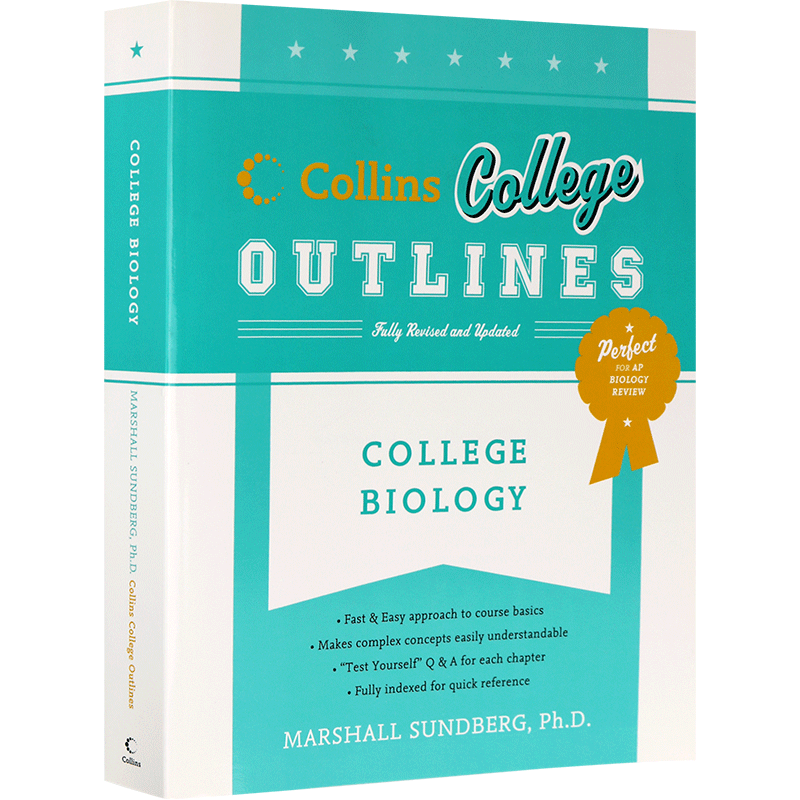


Заголовок:CollegeБиология (Collins College Ownes)
Автор:Marshall Sundberg
Название издательства:Collins Reference
Время публикации:2007
Английский язык
ISBN:9780060881610
Размер товара:21.7 x3.0 x 27.8 cm
Упаковка: Тихий океан
Страница: 516

CollegeBiology«Университетская биография» естьCollins College Outlines“&Один из RDQUO;Глава включает ДНК Они предоставляют студентам понимание университетов или Эта книга от Маршалла&Middot;“ проверить вас&Rdquo;Кроме того, существуют базовые словарные определения и примеры упражнений, а также подробные диаграммы.Эта книга особенно подходит для студентов курсов AP.
• 
• 
• “ проверить вас”
• 
The Collins College Outline for College Biology представляет собой всеобъемлющий обзор основных тем, от клеточной структуры до генной инженерии. Главы, посвященные ДНК и основам биологической химии; развитие животных и основные системы органов; строение и функции растений; популяции и экосистемы; текущие и спорные вопросы; и многое другое предоставит студентам всю информацию, необходимую для освоения курса биологии на уровне колледжа или AP. Полностью переработано и обновлено доктором Маршаллом Сундбергом. College Biology includes practical“test yourself&рдкво; разделы с ответами и полными пояснениями в конце каждой главы. Также включены основные словарные определения и примеры упражнений, а также подробные изображения, диаграммы и диаграммы.
·Fast& Easy approach to course basics
&Middot;Сделать сложные концепции легко понятными
·“Test Yourself” Q& A for each chapter
&Middot;Полностью проиндексировано для быстрого ознакомления.
The Collins College Outlines представляют собой полностью переработанную серию углубленных учебных пособий для всех областей обучения, включая гуманитарные, социальные науки, математику, естествознание, язык, историю и бизнес. Каждая книга, содержащая самую свежую информацию, написана опытным профессором в этой области и посвящена упрощенному и общему обзору предмета для студентов колледжей и, при необходимости, для студентов продвинутого уровня. Каждый Collins College Outline полностью интегрирован с основной учебной программой по своему предмету и является идеальным&Приложение к любому стандартному учебнику.

CollegeBiologyКнига «Университетская биология» извлекает важные концепции в первом курсе поступления биологии и пропускает много деталей в общих учебниках.Вместо этого он обеспечивает глубокую концепцию биологии, предоставляя студентам прочную основу для будущего учебного обучения студентов.
Биология является самой быстрорастущей из всех наук, и биотехнология обещает иметь значительное влияние. влияние на общество в 21 веке. В биологических науках наблюдается информационный взрыв, который потенциал, способный сокрушить даже профессионалов в этой области. О последствиях этого взрыва можно судить по размер вводных учебников по биологии. Тем не менее, в биологии относительно мало базовых концепций, которые обеспечивают основу для всех современных достижений в этой области. Эти концепции доступны широкой публике и обеспечивают основу, необходимую нам для принятия обоснованных социальных решений по поводу Влияние биологической науки на повседневную жизнь.
В этой книге собраны наиболее важные концепции, которые обычно рассматриваются в ходе годового вводного курса.&Курс биологии. Многие детали, описанные в типичном учебнике, опущены. Вместо этого основные идеи биология разработана с достаточной глубиной, чтобы обеспечить прочную основу, на которую студенты могут опираться в своих future coursework.

Dr. Marshall Sundberg анатом/морфолог растений, интересующийся онтогенезом и ролью развития растений в экологической и эволюционной адаптации. Области текущих исследований включают эволюционное происхождение кукурузного початка и развитие зоны разделения в плодах перца Табаско. Он также интересуется научным образованием и опубликовал публикации по разработке и оценке учебных программ. Он получил Столетнюю премию Ботанического общества Америки.
Маршалл·Доктор СэндбоггОн является анатомистом/морфологом завода, и он заинтересован в развитии растений в процессе индивидуального развития, экологии и эволюционной адаптации.Нынешняя область исследований включает в себя эволюционное происхождение и развитие ушей кукурузы в плодах Табасго.Он также заинтересован в научном образовании и публикует статьи о дизайне и оценке учебных программ.Он получил столетнюю награду Американской ассоциации ботаники.

ПРЕДИСЛОВИЕ ПРЕДИСЛОВИЕ
Chapter1. 
Chapter 2. 
Глава 3. Основная биологическая химия Базовая биохимическая
Глава 4. Мембран Фильм
Глава 5.
Глава 6. Энергетика и метаболизм энергия и метаболизм
Глава 7. Дыхание дыхания
Глава 8. Фотосинтез фотосинтез
Глава 9. Клеточный цикл клеточного цикла
Глава 10. Сексуальное размножение
Глава 11.
Chapter 12. DNA
Глава 13. Синтетический синтез белка
Chaptic 14. Genetic Engineering Gene Engineering
Глава 15.
Глава 16.
Глава 17. Сообщество биологического сообщества
Глава 18. Экосистема экосистем
Глава 19. Биосфера биосферы
Глава 20. Поведение поведения
Глава 21. Защита сохранения
Глава 22. Эволюция эволюции
Глава 23. Вспомогательные доказательства подтверждают доказательства
Глава 24. Генетика Генетики популяции Генетика
Глава 25. Форма видообразования
Глава 26. Филогения и систематическая разработка и классификация системы
Chapter 27. 
ГЛАВА 28. ПРОТИСТА
ГЛАВА 29. Несосудистые растения
Глава 30. Витамин сосудистых растений
Глава 31. Фунги гриб
Глава 32. Животные перевертировки
ГЛАВА 33. Гордовой позвоночник
Глава 34.
Глава 35. Развитие заводов
Глава 36. Транспорт в растениях
Chapter 
Chapter 
Chapter 
Глава 40. Клетки животных и ткани клетки животных и ткани
Глава 41. Пищеварительная система пищеварительной системы
Глава 42. Респираторные и кровообращательные системы дыхание и циркулирующая система
Глава 43. Система экскреции выводной системы
Глава 44. Нервная и сенсорная система нервная система и сенсорная система
Глава 45. Эндокринная система эндокринной системы
Глава 47. Репродуктивная система репродуктивной системы
Индекс индекс

CHAPTER 1
The Science of Biology
Биологию часто описывают как научное исследование живых существ, но ее часто преподают как собрание фактов об организмах. Наука — это динамичный процесс, постоянно развивающийся по мере появления новых технологий и новой информации. В этой главе 1 and throughout the book, we will подчеркните научный процесс, который приводит к нашему нынешнему пониманию структуры, функций, взаимоотношений и эволюции живых существ.
BIOLOGY AS SCIENCE
Биология, которая начиналась как описательная наука, основана на проверяемых гипотезах и предсказаниях, как и другие науки, такие как физика и химия.
The Nature of Science
Наука – это процесс, способ познания мира природы. Природные явления имеют естественные причины, которые можно обнаружить путем наблюдения и объяснить путем формирования и проверки гипотез. Научный Понимание мира природы динамично. Оно постоянно меняется, становясь богаче, по мере того как мы приобретаем новые понимание или изобретение новых инструментов для изучения природных процессов.
Two Approaches to Scientific Study
Inductive reasoning (induction) — это процесс открытия, который использует конкретные наблюдения для построения общие принципы. Если каждое живое существо, которое мы исследуем под микроскопом, состоит из клеток, мы можем вызвать общий принцип, согласно которому все живые существа состоят из клеток, хотя мы этого не делаем'Я рассмотрел все живые существа. Если мы примем общий принцип, что живые существа состоят из клеток, и посмотрим ископаемое с клеточной структурой, мы сможем сделать вывод (deduction) that the fossil was once alive.
Hypothesis Testing
Гипотеза — это предварительное объяснение наблюдения или предсказание того, что произойдет. Оба Индуктивные и дедуктивные рассуждения могут привести к появлению проверяемых гипотез. Научные эксперименты тщательно планируются для проверки конкретных гипотез. Гипотезы принимаются they are supported by testing, but отклоняется, если данные не соответствуют прогнозируемым результатам.