Подлинная дерматология патология Введение в дерматологов Основные знания 2 2 издание дерматологической патологии GAO астрономия Liao Wenjun Дерматология Дерматология навыки кожи 9787117262217

Вес товара: ~0.7 кг. Указан усредненный вес, который может отличаться от фактического. Не включен в цену, оплачивается при получении.
Описание товара



Основная информация
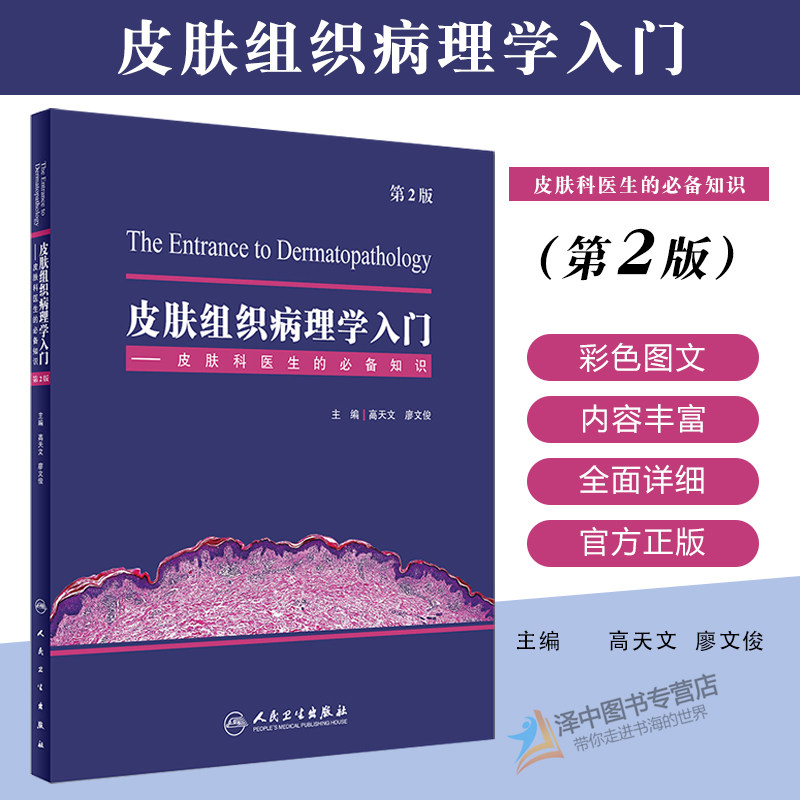
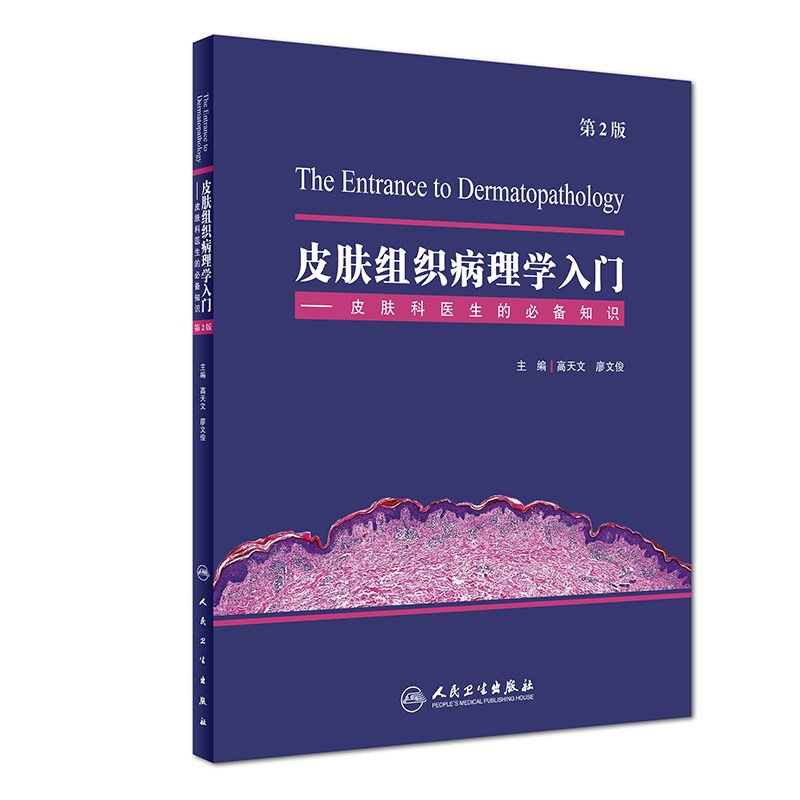
Заголовок:Начало работы по патологии кожной ткани— знание дерматологов (2 -е издание)
ISBN:9787117262217
автор:Редактор -In -Chief of Gao Astronomy Liao Wenjun
Цена: 96,00 Юань
Время публикации: 2018.4
Открыто: 16
Пресса: People's Health Press
Выбор редактора
◎ Выбор начала работы дерматологией
◎ Новичкам нужно провести только около полумесяца. После освоения базовых знаний о патологии кожи они овладевают 50 заболеваниями Zui Частых патологических исследований кожи
Введение в контент
Дерматология - это знание дерматологов. Независимо от того, заинтересованы ли они или нет, дерматологи должны изучать связанный контент.Эта книга подходит для начинающих и может использоваться для учебных материалов.Кроме того, эта книга является общей частью публичной монографии крупной монографии «Практическая терракатерная патология кожи» (2 -е издание). Необходимо изучить эту книгу, прежде чем изучать «практическую тактическую патологию кожи».
Эта книга разделена на четыре части. Частью DI являются структура ткани и воспалительные клетки нормальной кожи, которые в основном вводят возникновение и структуру ткани кожи. Вторая часть - основные патологические изменения кожных заболеваний, которые, которые заболевания кожными Вводит общие патологические изменения и патологические термины кожных заболеваний; третья часть - это особое окрашивание, которое кратко описывает материалы патологии кожи и общие технологии диагностики; четвертая часть - 50 репрезентативных заболеваний ZUI.
Новичкам нужно провести только около полух месяца. После овладения основными знаниями патологии кожи они овладевают 50 болезнями Зуи, часто проводили дерматологические исследования и заложили основу для дальнейшего изучения «практических патологии кожи».
Об авторе
Гао астрономия, профессор и главный врач.Родился в Лукване в Юньнане в 1955 году, он получил степень бакалавра в четвертом военном медицинском университете в 1983 году, докторскую степень в третьем военном медицинском университете в 1992 году и двухлетнюю докторскую подготовку в JWCI в Соединенных Штатах в 1994 году.1997— в 2011 году он занимал должность директора факультета дерматологии больницы Xijing.Он занимал пост заместителя председателя Верматологического отделения Китайской медицинской ассоциации, заместителя председателя отделения эстетической и красоты Китайской медицинской ассоциации, вице -председателя филиала дерматолога Китайской медицинской ассоциации, руководителя главного эксперта по исследовательскому центру Витилиго Китайская медицинская ассоциация дерматолога филиал и главный эксперт по исследовательскому центру Витилиго Медицинской ассоциации Медицинской ассоциации.У него было 14 тем, в том числе Фонд естественных наук Гудзии Китая, и опубликовал более 500 академических работ, в том числе более 130 научных работ, а также 15 редакторов -в -в -заместителя и заместителя редактора -в «Шиф», опубликованные 15 монографий.Откройте для себя и назовите новую болезнь“ после травмы гранулема, полученная бактерий&Rdquo; отобран для десяти лучших новостей в Китайской медицинской технологии в 2001 году.Выиграл 2 первых приза и вторые призы провинциальных и министерских наук и техники или медицинских результатов.Профессиональная специальность: витилиго, меланома, патология кожной ткани.
Каталог
1  структура ткани и воспалительные клетки нормальной кожи
1.1  Основная структура ткани кожи (структура кожи)
1.1.1  нормальная кожная ткань (нормальная кожа)
1.1.2  эпидермис
1.1.3  дерма (дерма)
1.1.4  подкожная ткань (подкожная ткань)
1.1.5 кожи придатки
1.2  структурный сайт ткани специальных частей
1.2.1  скальп (скальп)
1.2.2 губа (губа)
1.2.3  веки (блефара)
1.2.4  генитальный орган
1.2.5 пальма, Vola)
1.2.6  грудь
1.2.7 auricia (ala auris)
1.2.8 гвоздь (гвоздь)
1.3 воспалительные клетки
1.3.1  лимфоциты (лимфоциты)
1.3.2  тканевые клетки (гистоцит)
1.3.3  многоядерная гигантская клетка
1.3.4  плазматическая клетка
1.3.5  Нейтрофил
1.3.6 эозинофил
1.3.7  тучная клетка (тучная клетка)
2  Основное изменение патологии в коже
2.1  Условия расстройств в эпидермисе)
2.1.1  Гиперкератоз
2.1.2  Паракератоз
2.1.3  Дистерратоз
2.1.4  Гиперкератоз
2.1.5  Гипокератоз
2.1.6  акантоз
2.1.7  фальшивая эпителифмома -гиперплазия
2.1.8  эпидермальная атрофия
2.1.9  эпидермальный отек
2.1.10  эозинофильный спонгиоз
2.1.11  акантолиз
2.1.12 villi (villi)
2.1.13  дегенерация жидкости базальных клеток и недержание пигмента
2.1.14  Koilocyte
2.1.15 блистер (блистер) и булла (булла)
2.1.16  Pustule (Pustule)
2.1.17  эозинофильные микроабессы)
2.1.18  Pautrier Micro Abscess
2.1.19  внеклеточный осмотический (экзситоз)
2.1.20  эпидермотропизм
2.1.21  эпидермолитический гиперкератоз
2.1.22  кора
2.1.23  гиперпигментация
2.1.24  гипопигментация
2.1.25  Блок переноса пигмента
2.1.26&Nbsp; фолликулярная заглушка
2.1.27 плоскоклеточный адди
2.1.28  роговая киста (роговая киста)
2.1.29&Nbsp; трихилеммальная кератинизация
2.2  Условия расстройств в дерме)
2.2.1  папилломатоз (папилломатоз)
2.2.2 ремень царства (зона Гренц)
2.2.3  Пространство в ретракции
2.2.4  прозрачная дегенерация (гиалиновая дегенерация)
2.2.5  коллоидная дегенерация
2.2.6  базофильная дегенерация
2.2.7  дегенерация Amyload (дегенерация Amyload)
2.2.8  фибриноидная дегенерация
2.2.9 слизь дегене
2.2.10  дегенерация упругих волокон
2.2.11  некробиоз (некробиоз)
2.2.12  Пигментное осаждение
2.2.13 жирное осаждение
2.2.14  кальциноз
2.2.15&Nbsp; сосудистая облитерация
2.2.16  тромбоз (тромбоз)
2.2.17 грануляционная ткань
2.2.18  гранулема (гранулема)
2.2.19 цветовая сферическая (похожая на поком)
2.3  Условия расстройств в подкожной ткани)
2.3.1  атрофия пролиферации или атрофия Вухера
2.3.2  себулит (панникулит)
2.3.3  некроз жировых клеток (некроз CLL жира)
2.3.4  Miescher Radial Granuloma (Miescher Radial Granuloma)
2.4  Общие патологические изменения
2.4.1  некротический (некроз)
2.4.2 apoptos (апоптоз)
2.4.3  KaryopyKnosis
2.4.4&Nbsp; karyorrhexis
2.4.5  ядерный раствор (кариолиз)
2.4.6  атрофия (атрофия)
2.4.7&Nbsp; anaplasia
2.4.8  Alientity (Atypia)
2.4.9  Hamartoma
2.4.10  организация
3 характерные окрашивание
3.1  тканевое химическое окрашивание (характерное окрашивание ткани и клетки)
3.1.1  окрашивание амилоидного вещества
3.1.2  окрашивание слизистой оболочки
3.1.3  окрашивание тучных клеток
3.1.4&Метод NBSP; PAS (окрашивание PA)
3.1.5  кислотное быстрое окрашивание (кислотное быстрое окрашивание)
3.1.6  хроматография коллагенового волокна (окрашивание коллагеновых волокон)
3.1.7  окрашивание упругих волокон
3.1.8  ретикулярное волокно (окрашивание ретикулярного волокна)
3.2  иммуногистохимическое пятно
3.2.1 Антитело эпителиального происхождения
3.2.2 Матома и мышечное антитело
3.2.3 Сосудистые и лимфатические эндотелиальные антитела
3.2.4  нервное и меланоцитарное антитело
3.2.5 Антитела при лимфопролиферативном заболевании)
3.2.6 Гистоциты и тучные антитела
3.2.7 Антитела для пролиферации
4 типичные сущности
4.1 lichen planus
4.2 multhema multiforeme
4.3  дискоидная волчанка Eramatosus
4.4 экзема (экзема)
4.5  Стагльный дерматит (стаз дерматит)
4.6  псориаз (псориаз)
4.7  нейродерматит
4.8 verruca vulgaris
4.9  инфекционные мультфильмы (контагиоз моллускума)
4.10  Peptphidus
4.11  Gerpes Simplex
4.12  Bullous Pemphigoid
4.13  Центробежная эритема
4.14&Nbsp; пигунтарный пурпурный дерматоз (пигменты)
4.15 волчанка vulgaris
4.16  наркоман
4.17 проказа
4.18&Nbsp; острая лихорадка Neutrophilis (сладкий синдром)
4.19  аллергический васкулит (аллергический васкулит)
4.20  Liveoud Wasculopathy
4.21  узловая эритема
4.22&Nbsp; липозит волчанки (волчанка панникулит)
4.23  прыщи (прыщи)
4.24  Porokeratosis of Mibelli)
4.25  Меланоз
4.26  Меласма
4.27  Scleroderma
4.28  Скабий (Скабий)
4.29&Nbsp; соединенный невус
4.30  меланома (меланома)
4.31  Себорейский кератоз
4.32  оптический кератоз (актиновый китоз)
4.33  пиломатрика (пиломатрика)
4.34  Сирингома
4.35  Порома (Порома)
4.36  эпидермальная киста
4.37&Nbsp; миксоидная киста (миксоидная киста)
4.38  Дерматофиброма
4.39  протуберны Dermatofisarcoma
4.40&Nbsp; желтая ейма (ксантография)
4.41&Nbsp; пигментная пигментная пигментная пигмен
4.42 портовое вино пятно
4.43  Гулентная гранулема (пиогенная гранулема)
4.44  нейрофиброма (нейрофиброма)
4.45  нейролемемома
4.46  ангиолипома (ангиолипома)
4.47  гладкая миома (лейомиома)
4.48 грибовии микоза
4.49  лимфома -подобные прыщи (лимфоматоидный папулоз)
4.50  метастазы кожи рака молочной железы
Китайский и английский индекс
Английский китайский индекс (английский китайский индекс)
Переиздайте ПРЕДИСЛОВИЕ
После 15 лет пересмотра, второе издание «Практической патологии TER TER» в «Практической коже» в «Современной дерматологии» было окончательно представлено в издательство.Я хотел отдохнуть некоторое время, но прежде чем я замедлился, мне позвонил профессор Чжу Сююджун, попросил внести поправку к этой книге как можно скорее—&Mdash; «Начало работы с дерматологией—— подготовка дерматологов »(2 -е издание) используется в качестве стационара для учебных материалов.С сердцем профессора Чжу идея содержания содержания почти полностью последовательна, то есть оригинал“ высокий или не низкий&Ldquo; часть 4 подсказок диагностики, замененные 50 репрезентативными заболеваниями Zui, так что новичкам нужно провести только около полумесяца. После освоения базовых знаний о патологии кожи 50 заболеваний закладывают хорошую основу для дальнейшего изучения «Практической патологии кожи Тер ".Пересмотр других деталей в основном для замены немного низких качественных изображений в предыдущей версии и внести небольшие изменения в тексте.
Благодаря Лю Лингу и Лю Ю, редакционному совету и секретарю Лю Ю, за то, что он взял на себя основную работу ревизии, коллеги из департамента за их поддержку и помощь со всеми аспектами и поблагодарил профессора Чжу Сюэюн за их руководство.Я искренне прошу читателей продолжать выдвигать ценные мнения и предложения для улучшения.
  Четвертый военный медицинский университет Xijing Dermatology Hospital
&астрономия NBSP; GAO liao wenjun
  январь 2018 г.
В настоящее время нет введения контента, пожалуйста, простите меня!